Wine & Spicy Food Pairing: Basics to Avoid Mistakes
Table of Contents
Wine & Spicy Food Pairing can feel tricky at first: one wrong bottle and a dish that should be vibrant becomes harsh, hot, or oddly sweet.
The good news is that spicy food isn’t “anti-wine”, it just needs the right balance. In this guide, you’ll learn the core pairing rules that help you avoid common errors and choose wines that actually cool, lift, and highlight spice.
Spice doesn’t behave like salt or acidity. Heat amplifies alcohol, tannins can taste bitter, and oak can feel heavier when chili is involved.
But once you understand what spice does to your palate, pairing wine with spicy food becomes surprisingly logical, and repeatable.
Wine & Spicy Food Pairing: Understand what “spicy” really means
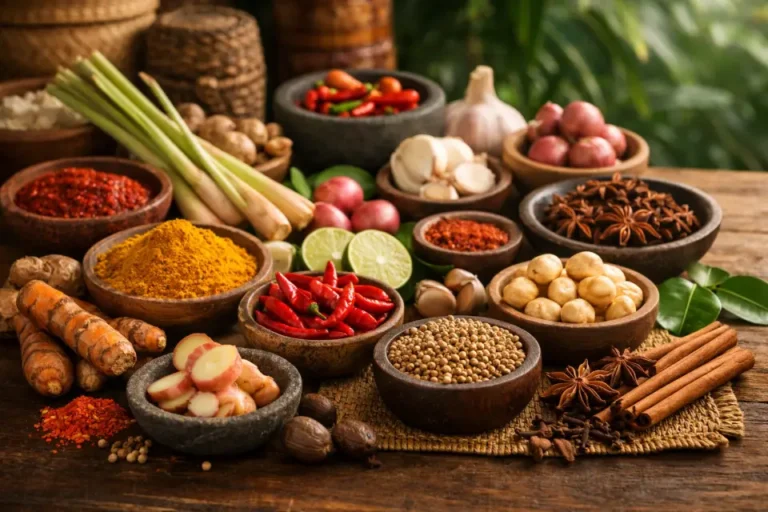
Before choosing a wine, identify the type of spice. “Spicy” can be chili heat, peppery aromatics, ginger warmth, or a complex mix of herbs and toasted spices.
Indonesian cuisine is a great example of layered spice profiles, think aromatics, sambal heat, and sweet-salty depth (if you’re curious about the building blocks, this quick guide to Indonesian spices for beginners fits perfectly into that lens..
Here’s the key: wine pairing for spicy food is less about matching intensity and more about managing heat.
What spice does to wine (and you)
- Heat makes alcohol feel hotter and more “burning.”
- Tannins feel rougher and more bitter.
- High oak can feel heavy or “sweet-woody.”
- Acidity and bubbles can refresh your palate between bites.
Once you know that, most mistakes are easy to avoid.
The 5 rules that prevent 90% of mistakes
If you remember only one thing, remember this: with spice, choose freshness over power. These five rules are the safest path to best wine for spicy food, especially when you’re not sure what to order.
Rule 1: Keep alcohol moderate
Big, high-alcohol wines can turn a pleasant chili glow into a fire alarm. When you can, lean toward lighter styles and avoid “hot” finishes.
Rule 2: Go low-tannin (especially with chili heat)
Tannins + chili often equals bitterness. That’s why very structured reds are the most common pairing error with spicy dishes.
Rule 3: Prioritize high acidity
Acidity is your friend: it cuts oil, lifts aromatics, and resets your palate. Crisp whites tend to shine here.
Rule 4: A touch of fruitiness can help
A little ripe fruit can soften spice impact. (This is one reason rosé is a frequent “all-rounder” at the table.)
Rule 5: Bubbles are a cheat code
Sparkling wine is refreshment in a glass. It scrubs the palate and makes spicy flavors feel cleaner and brighter.
A quick “order-this” shortcut at the restaurant:
- Sparkling for heat + fried / crispy textures
- Rosé for mixed-spice plates or shared tables
- Crisp Sauvignon Blanc for fresh, herb-driven spice
- Light reds only when the dish is more savory than hot

What to drink (and what to avoid)
Let’s make this practical, using bottles you can actually find at The View. To choose an easy “spice-friendly” bottle, you can browse the wine selection on our menu before you order.
Great picks with spicy dishes
Sparkling / Prosecco
If your dish has chili heat, crunchy textures, or a bit of sweetness, bubbles are a safe, crowd-pleasing move.
A glass of Prosecco is often magic with spicy starters and share plates. If you’re celebrating, classic Champagne styles can also work beautifully when the dish isn’t extremely hot.
Rosé (your flexible hero)
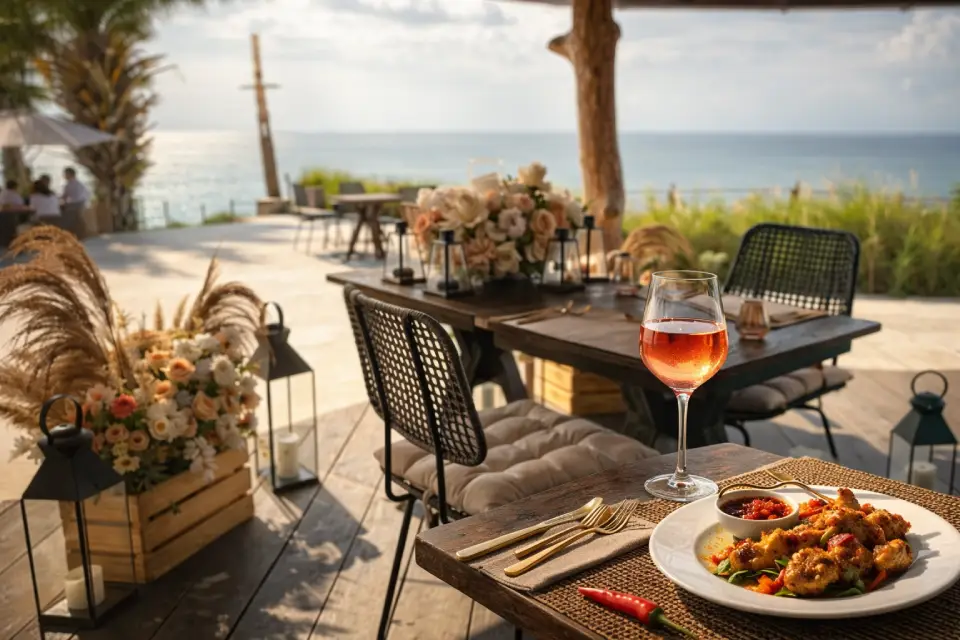
Rosé handles a wide range of spice levels and sauces. It’s especially useful when the table orders different dishes, some hot, some not.
If you want one bottle that “won’t fight anything,” rosé is hard to beat. This is where Wine & Spicy Food Pairing becomes easy.
Crisp whites (Sauvignon Blanc, Chablis)
For herbaceous spice, citrusy marinades, or lighter seafood-based plates, crisp whites bring lift and clarity.
Sauvignon Blanc is a classic choice; Chablis-style whites can also work when you want a clean, mineral feel rather than sweetness.
Wines to be cautious with
Big tannic reds (Cabernet-style structure)
With serious chili heat, tannins can read as bitter and drying. If the dish is peppery-hot, this is the most frequent “why does my wine taste weird?” moment.
Heavy oak or very bold reds
If the wine feels dense, sweet-oaky, or high in alcohol, spice will exaggerate those traits.
That doesn’t mean “no red ever.” It means: if you want red, keep it softer and lighter, and pair it with dishes where spice is gentle and the flavors are more smoky, grilled, or savory.
Two quick pairing scenarios you can trust
Sometimes you don’t need the perfect match, you just need the right direction. Use these two scenarios when you’re ordering fast.
If the dish is chili-hot (sambal, spicy sauce, pepper heat):
- Choose sparkling or rosé first
- Then crisp whites with high acidity
- Avoid high-alcohol, heavily tannic reds
If the dish is aromatic-spiced (ginger, lemongrass, toasted spices) but not very hot:
- Rosé works beautifully
- Crisp whites stay reliable
- Light reds can work if the dish is more savory than fiery
A simple rule of thumb: the hotter the dish, the lighter and fresher the wine should be.
Wine & Spicy Food Pairing: Make it a full Bali experience at The View
If you’d like to put these rules into practice, The View is an easy place to do it: an oceanfront setting, shareable plates, and a wine list with plenty of “spice-friendly” options (sparkling, rosé, and crisp whites).
It’s also worth noting that The View is located at Biu Biu Resort Bali, so you can turn a great dinner into a full evening, or a full stay.
Many guests love pairing sunset dining with a night in private bungalows for maximum calm and privacy.
And if you want the ultimate “reset” after a flavorful, spicy feast, the resort’s wellness spa experience is a favorite for good reason.
If you enjoy curated experiences, you can also explore a dedicated wine pairing dinner in Jimbaran concept here.
if your priority is simply a memorable meal in a spectacular setting, this restaurant in Jimbaran with ocean view page captures the vibe
Ready to taste how Wine & Spicy Food Pairing works in real life? Book your table at The View, then complete the moment with a bungalow stay and a spa session at Biu Biu Resort Bali.
FAQ: Wine & Spicy Food Pairing
What’s the best wine style for spicy food?
In most cases, sparkling wine, rosé, or crisp whites are the safest choices because they refresh the palate and don’t clash with heat.
Why do tannic red wines taste bitter with chili?
Chili heat can make tannins feel rougher and more drying, which often reads as bitterness—especially with structured reds.
Does alcohol make spicy food feel hotter?
Yes. Higher alcohol can amplify the burning sensation, so moderate-alcohol wines usually feel smoother with spicy dishes.
Is sweetness a good idea with spicy food?
A touch of fruitiness can help, but very sweet wines can overpower some dishes. If the heat is intense, a slightly fruit-forward style often feels more balanced than a very dry, tannic red.
What’s the easiest “no-fail” pairing if I’m unsure?
Go with bubbles. Sparkling wine is a reliable shortcut because it cleans the palate and keeps flavors bright.
Can I drink red wine with spicy food at all?
Absolutely—just choose lighter, softer reds and pair them with dishes that are more savory than fiery (think grilled, smoky, or gently spiced).
How do I pair wine with Indonesian spicy flavors?
Look for wines that support aromatics and manage heat: crisp whites, rosé, and sparkling work especially well with layered spices and sambal-style heat.
What should I avoid pairing with very spicy dishes?
Avoid wines that are high-alcohol, heavily oaked, or very tannic, because spice tends to exaggerate those traits.
Where can I check which wines are available at The View?
You can browse the wine selection on our menu to spot spice-friendly options like crisp whites, rosés, and bubbles.
Can I turn dinner into a full experience at The View?
Yes. The View is located at Biu Biu Resort Bali, so you can pair your meal with a stay in private bungalows and unwind with the resort’s wellness spa experience.