Indonesian Chocolate Desserts: What Makes Them Different
Table of Contents
Indonesian Chocolate Desserts aren’t built around the same “butter + cream + dark chocolate” logic many travelers expect.
A week before Easter, when chocolate feels almost mandatory, this is a fun moment to notice how Indonesia does chocolate differently: lighter textures, tropical aromatics, and sweeteners that taste deeper than plain white sugar.
Instead of aiming for rich, dairy-heavy intensity, many Indonesian sweets use chocolate as one layer in a broader flavor story.
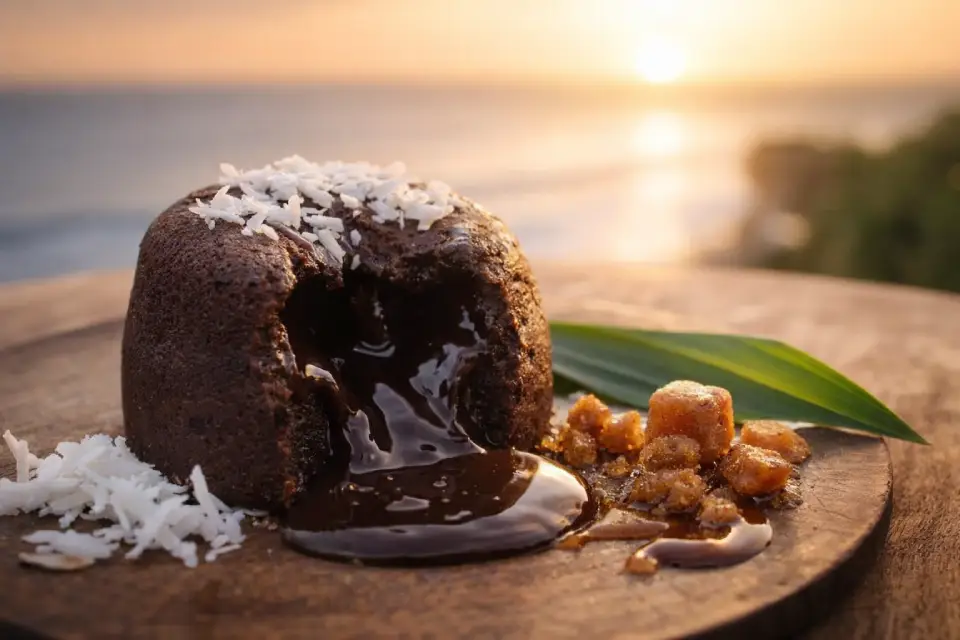
The result can surprise you (in the best way). Chocolate might show up as a drizzle, a filling, or a cocoa-forward sponge, then get lifted by coconut, palm sugar, pandan, or warm spices.
Once you know the “why” behind those ingredients, Indonesian Chocolate Desserts start to make cultural sense, not just culinary sense.
Indonesian Chocolate Desserts: Local ingredients change the whole flavor profile
If you compare Indonesia’s chocolate treats with classic European-style pastries, the biggest difference isn’t the chocolate, it’s what surrounds it. Chocolate here often plays nicely with ingredients that are everyday staples in Indonesian kitchens.
A few of the most influential ones:
- Palm sugar (gula aren/gula jawa): deeper, toffee-like sweetness with a subtle smokiness
- Coconut milk: creamy texture without heavy dairy, plus a naturally sweet, round finish
- Rice flour & glutinous rice: chewy, bouncy textures instead of flaky pastry
- Pandan: vanilla-like aroma (but greener, more herbal) that pairs beautifully with cocoa
- Banana & cassava: natural sweetness and soft, comforting textures
Because these are so common, cacao becomes less of a “star ingredient” and more of a versatile partner, especially in puddings, cakes, and chilled desserts that suit a tropical climate.
A short history of influence, trade, and taste
Chocolate didn’t grow up in isolation here. Indonesia’s dessert culture has been shaped by layers of influence, local traditions first, then global arrivals.
Historically, many Indonesian sweets were based on rice, coconut, and palm sugar long before chocolate became widely accessible.
When cocoa products became easier to find (through colonial-era trade and later mass-market brands), chocolate slid into an existing framework rather than replacing it.
That’s one reason you’ll often see chocolate paired with coconut milk or wrapped around chewy textures instead of baked into buttery pastry.
There’s also a quiet “fusion” history at play. Dutch colonial influence helped popularize cakes, breads, and baked desserts; Chinese-Indonesian (Peranakan) traditions contributed delicate steamed cakes and layered textures; and modern café culture introduced brownies, lava cakes, and mousse, often adapted to local tastes with palm sugar, tropical fruits, or pandan.
So if you’re expecting a strict copy of European classics, Indonesian Chocolate Desserts will feel different.
But if you view them as a dialogue between local pantry staples and global techniques, the logic becomes clear.
Texture is the real “cultural tell”
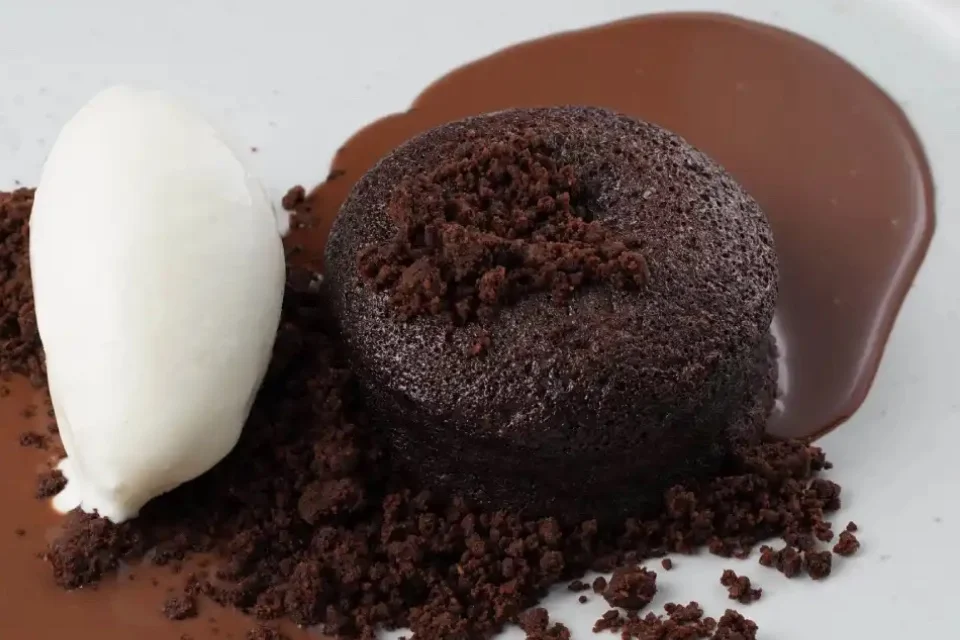
One of the most noticeable differences is texture. European-style chocolate desserts often revolve around butter, cream, and wheat flour, think ganache, pastry cream, laminated dough, or airy sponge with dairy-based frosting.
Indonesia often leans toward textures that feel more cooling and playful in warm weather:
- Chewy and elastic (glutinous rice, mochi-like bites)
- Silky and chilled (coconut-based puddings, soft custards)
- Steamed and tender (light cakes that stay moist without heavy butter)
Chocolate becomes a bridge: it adds familiarity for international visitors, while the texture stays proudly local.
That’s why you might taste cocoa notes in a dessert that eats more like a soft rice cake than a crumbly brownie.
If you want a broader snapshot of what sweet culture looks like around Balangan, Indonesian desserts in Balangan offer a great starting point for the same kind of cultural exploration.
Flavor pairings you’ll rarely see in “classic” chocolate sweets
Another key difference is the flavor palette. Where “classic” chocolate desserts often aim for purity (cocoa + dairy + vanilla), Indonesia happily layers aromatics. These combinations can feel new even if the chocolate format is familiar.
Look for pairings like:
- Chocolate + pandan (soft, vanilla-green fragrance)
- Chocolate + palm sugar (caramel depth, less “sharp” sweetness)
- Chocolate + coconut (clean creaminess, tropical warmth)
- Chocolate + banana (comforting, natural sweetness)
- Chocolate + warm spice (subtle cinnamon/clove notes in some preparations)
This isn’t about making chocolate “exotic.” It’s about matching chocolate to ingredients that Indonesians already love, and that thrive in the climate.
That’s also why desserts can feel less heavy: tropical sweetness and aromatics do a lot of work that butter and cream do in other traditions.
What to order if you want “familiar, but local”
If you’re visiting Bali during Easter season and want chocolate without defaulting to the same old classics, aim for desserts that balance familiarity and local identity.
A simple approach:
- Choose a chocolate dessert that includes coconut or palm sugar for a distinctly Indonesian sweetness
- Look for chilled or lighter textures (perfect after a warm-day meal)
- Pick tropical fruit accents (banana is especially reliable with cocoa)
And if you’re in the mood for a dessert moment with a view, desserts in Jimbaran are a delicious way to discover The View’s sweet side.
Indonesian Chocolate Desserts: A sweet reason to linger at The View
Chocolate season doesn’t have to look the same everywhere. In Bali, it can be a cultural experience: cocoa notes meeting palm sugar, coconut, and tropical aromatics—served in a setting where dessert feels like part of the landscape.
If your ideal Easter-week plan is “a great meal, then something chocolatey,” The View is made for that rhythm, especially if you love unhurried dining in a spectacular setting.
The atmosphere is part of the flavor, and this restaurant in Jimbaran with ocean view page captures exactly why.
Easter is also a lovely time to slow down at Biu Biu Resort Bali, enjoy dinner and dessert at The View, then extend the moment with a private bungalow stay and a relaxing spa session.
Ready to taste the difference for yourself? Book a table at The View and finish your meal with a dessert that shows why Indonesian Chocolate Desserts feel so unique in Bali.
FAQ: Indonesian Chocolate Desserts: What Makes Them Different
What makes Indonesian chocolate desserts different from Western classics?
They’re often built around palm sugar, coconut milk, rice-based textures, and tropical aromas (like pandan), so they feel lighter and more fragrant than butter-and-cream-heavy classics.
Is Indonesia known for cacao production?
Yes, Indonesia is a major cacao-producing country, so chocolate flavors often connect to local ingredients and everyday sweets, not only “European-style” pastries.
Do Indonesian chocolate desserts taste less sweet?
Not always, but the sweetness can feel different because palm sugar has a deeper, caramel-like taste compared to plain white sugar.
What textures should I expect?
Expect more variety: chewy (glutinous rice), silky (coconut-based puddings), and tender steamed cakes, rather than only flaky pastry or dense brownies.
What flavors pair well with chocolate in Indonesia?
Common pairings include coconut, banana, pandan, palm sugar, and sometimes warm spice notes—great for layered, aromatic desserts.
Are there Indonesian desserts that use chocolate without being “chocolate-heavy”?
Yes—chocolate is often used as a swirl, drizzle, filling, or accent, letting local flavors stay front and center.
What should I order if I want something familiar but still local?
Choose chocolate desserts that include coconut or palm sugar, or try a chocolate option with a tropical twist (banana works especially well).
Where can I read more about local sweets around Balangan?
For a broader snapshot, Indonesian desserts in Balangan are a great place to start.
Where can I find dessert inspiration in Jimbaran?
If you want a sweet moment with a view, desserts are a delicious way to explore options at The View.
Can I plan a full experience around dessert at The View?
Yes, pair a dinner and dessert at The View with the oceanfront setting and make it a full evening in Jimbaran.