What Makes Indonesian Cuisine Unique? Spices, Aromas and Culinary Traditions
Table of Contents
One of the defining features of Indonesian cooking is its extraordinary use of spices. Many dishes combine several ingredients at once to create layers of flavor that evolve while cooking.
In traditional preparations, a single recipe can include eight to twelve different spices, far more than in many Western dishes.
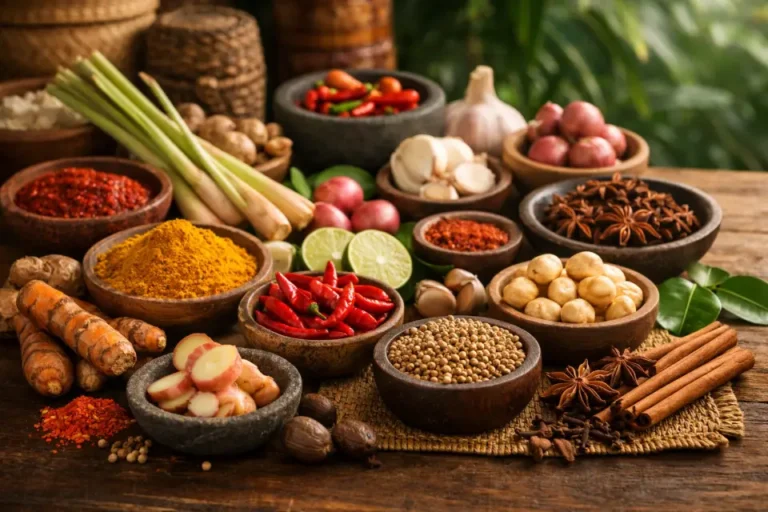
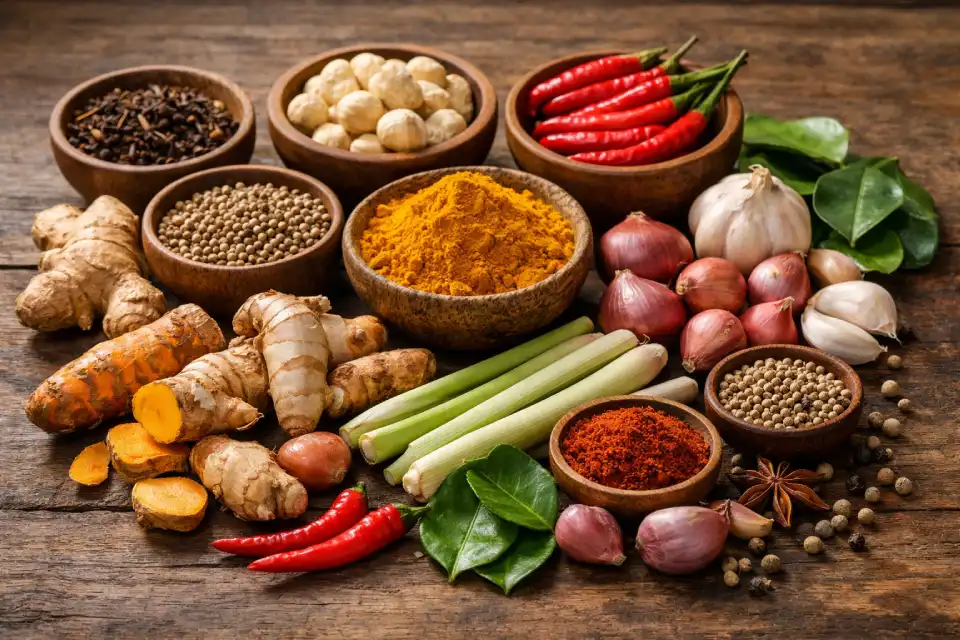
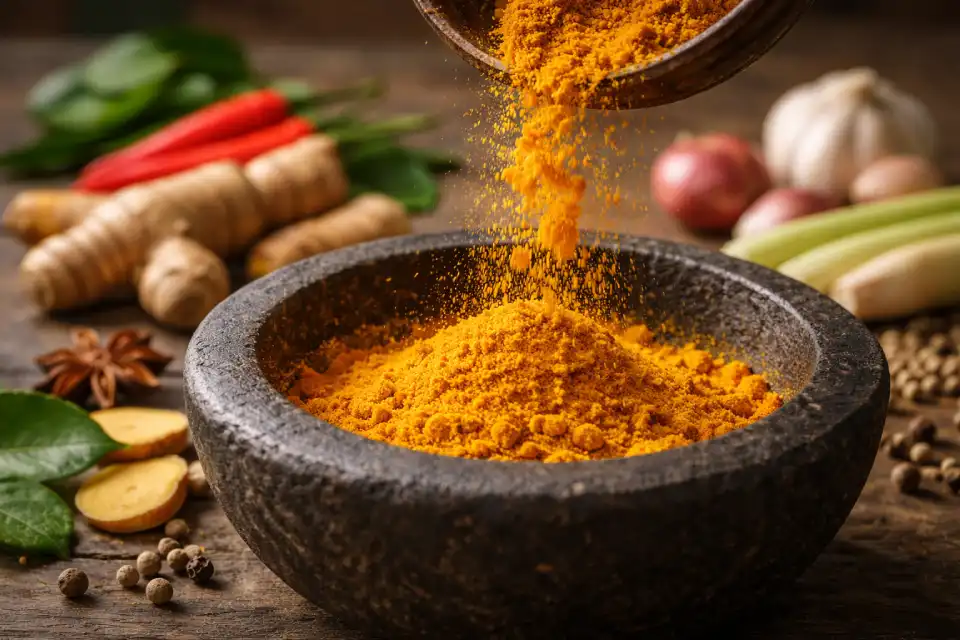
These spices are often ground together into a paste called bumbu, which forms the base of numerous Indonesian dishes. Typical ingredients include:
- turmeric
- ginger
- galangal
- lemongrass
- garlic and shallots
- candlenuts
- chili
- coriander
When slowly cooked, these ingredients release oils and aromas that transform simple ingredients into deeply flavored dishes.
For readers who want to better understand these ingredients, the guide on Indonesian spices for beginners and their flavors explains how these elements interact to create the signature taste of Indonesian cuisine.
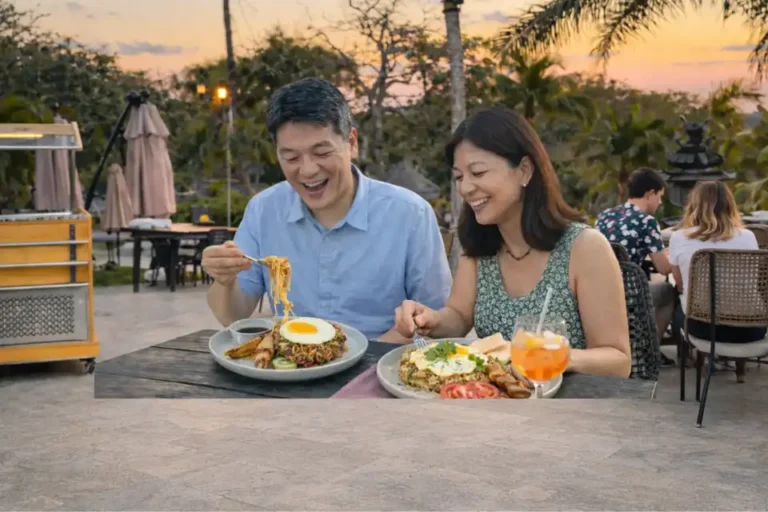
At The View Restaurant in Balangan, this spice tradition appears in several dishes inspired by regional recipes, where the balance between sweet, spicy and aromatic ingredients remains at the center of the culinary experience.
What Makes Indonesian Cuisine Unique in Indonesian Cooking?
Beyond spices, Indonesian cuisine is known for its intense aromatic ingredients. Fresh herbs and roots bring brightness and fragrance to many dishes.
Among the most common are:
- lemongrass
- kaffir lime leaves
- pandan leaves
- turmeric root
- ginger
- galangal
These ingredients contribute to the distinctive aroma that often surprises visitors discovering Indonesian food for the first time.
The combination of citrus notes, earthy spices and mild heat creates a flavor profile that is both vibrant and balanced.
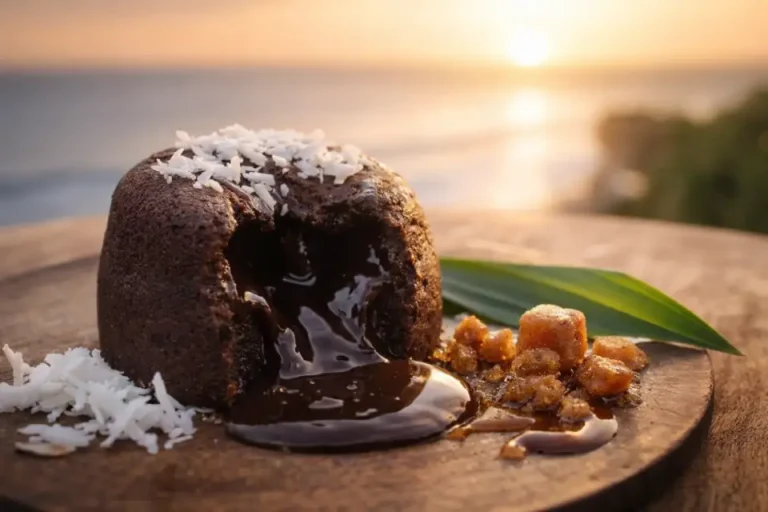
Another characteristic element is kecap manis, a thick sweet soy sauce widely used in Indonesian cooking. Its caramelized sweetness adds depth to sauces, marinades and stir-fried dishes.
When these ingredients are combined with grilled seafood, vegetables or rice, the result is a cuisine that feels both comforting and complex.
This culinary philosophy is one of the reasons why Indonesian gastronomy is increasingly appreciated in refined dining settings in Bali, where chefs reinterpret traditional flavors with contemporary presentation.
Cultural influences behind Indonesian culinary traditions
Indonesia’s culinary identity is also shaped by centuries of cultural exchange. Positioned along ancient trade routes, the archipelago welcomed merchants and travelers from India, China, the Middle East and Europe. Each culture left traces in local cooking traditions.
For example:
- Indian traders introduced spice blends similar to curry
- Chinese communities influenced noodle dishes and stir-frying techniques
- Arab and Middle Eastern traders brought new spice combinations
- European colonial history introduced ingredients and cooking methods
These influences merged with local ingredients to create a cuisine that is both diverse and unified by strong flavor foundations.
This diversity explains why Indonesian food can vary dramatically from one region to another. Yet the philosophy remains consistent: food should combine aroma, spice and balance.
From traditional recipes to modern dining experiences
Today, Indonesian cuisine continues to evolve while preserving its traditional foundations. Many chefs reinterpret classic dishes with contemporary techniques, highlighting local ingredients while presenting them in elegant ways.
At The View Restaurant in Balangan, this philosophy appears through a menu inspired by Indonesian and Asian culinary traditions.
Guests can discover dishes that reflect the richness of regional flavors while enjoying a refined dining atmosphere overlooking the ocean.
For those curious about the restaurant’s menu and culinary approach, the overview of the culinary specialties of The View offers a closer look at the dishes that bring these flavors to life.
From aromatic rice dishes to grilled seafood prepared with spice blends, the experience demonstrates how Indonesian culinary heritage can be both authentic and modern.
Discover Indonesian flavors at The View in Balangan
Exploring Indonesian cuisine means discovering a world where spices, aromas and traditions come together to create unforgettable flavors.
Whether it is the warmth of turmeric, the freshness of lemongrass or the depth of slow-cooked spice pastes, every dish tells a story rooted in centuries of culinary culture.
For travelers staying in Bali, experiencing these flavors in a restaurant setting offers a unique way to understand the island’s gastronomic heritage.
Located within the Biu Biu Resort and overlooking the ocean at Balangan Beach, The View Restaurant invites guests to discover Indonesian-inspired cuisine in a refined yet relaxed atmosphere.
If you want to explore how these traditions translate into modern gastronomy, you can also discover the restaurant’s approach to fine dining Indonesian cuisine in Bali, where traditional ingredients meet contemporary culinary creativity.
For a closer look at how Indonesian spices, aromas and culinary traditions come together by the sea, discover The View Restaurant in Balangan and reserve your table for a memorable dining experience in Bali.
FAQ – What Makes Indonesian Cuisine Unique? Spices, Aromas and Culinary Traditions
What makes Indonesian cuisine unique compared to other Asian cuisines?
Indonesian cuisine is unique because of its complex spice blends, aromatic herbs and diverse cultural influences. Ingredients such as turmeric, galangal, lemongrass and kaffir lime leaves create layered flavors that balance sweetness, spice and freshness.
Which spices are most commonly used in Indonesian cooking?
Many Indonesian dishes rely on spice blends known as bumbu. Common ingredients include garlic, shallots, turmeric, ginger, galangal, candlenuts, coriander and chili. These spices are often ground together to form the base of sauces and marinades.
Why are Indonesian dishes so aromatic?
Indonesian cuisine uses many fresh herbs and roots such as lemongrass, kaffir lime leaves and pandan leaves. These ingredients release strong aromas during cooking and give dishes their distinctive fragrance and depth of flavor.
Is Indonesian cuisine very spicy?
Some Indonesian dishes are spicy, especially those prepared with chili or sambal. However, many recipes focus more on balance than heat, combining sweet, savory and aromatic ingredients rather than intense spiciness.
Where can you experience Indonesian-inspired cuisine in Bali?
Travelers visiting Bali can discover Indonesian-inspired dishes at The View Restaurant in Balangan, located within the Biu Biu Resort. The restaurant offers a seaside setting where guests can enjoy flavors influenced by Indonesian culinary traditions.